Menopause fatigue: why you're so tired, and what actually helps

If you are in your late forties or fifties and feel tired in a way that sleep doesn’t fix, menopause fatigue is a likely explanation. It is one of the most commonly reported symptoms of perimenopause, yet it gets far less attention than hot flashes. The good news: once you know what’s driving it, there is a lot you can do.
What menopause fatigue feels like
It is usually not normal tiredness after a busy day. Women describe:
- Waking up unrefreshed, even after a full night in bed
- Heavy afternoon slumps
- Low motivation and physical stamina
- Brain fog and trouble concentrating
- Feeling “wired but tired” at night
Why menopause makes you tired
1. Broken sleep. Hot flashes and night sweats wake you up, sometimes without you remembering it. Even women who don’t notice night sweats often report worse sleep during the transition.
2. Hormonal shifts. Falling and fluctuating estrogen and progesterone affect sleep regulation, body temperature and mood.
3. Sleep apnea. The risk rises after menopause. Snoring, gasping at night or morning headaches are reasons to get evaluated.
4. Mood and stress. Anxiety and low mood become more common during the transition and are strongly linked to fatigue.
Not always menopause: rule these out
Fatigue in midlife has many possible causes, and several are easy to test for:
| Possible cause | Typical clues | Test to ask about |
|---|---|---|
| Iron deficiency or anemia | Pale skin, breathlessness, heavy periods in perimenopause | CBC, ferritin |
| Underactive thyroid | Weight gain, feeling cold, dry skin | TSH |
| Low vitamin B12 | Tingling, memory issues; more common with metformin or acid reducers | B12 |
| Low vitamin D | Aches, low mood | 25-OH vitamin D |
| Blood sugar problems | Thirst, energy crashes | Glucose, HbA1c |
| Sleep apnea | Snoring, morning headaches | Sleep study |
| Depression | Low mood, loss of interest | Doctor’s assessment |
If any of these is the cause, treating it can make a dramatic difference.
Perimenopause or menopause?
Fatigue often starts in perimenopause, the years before your final period, when hormones fluctuate most. Menopause is officially reached after 12 months without a period. Many women are surprised to feel most tired during perimenopause, while their periods are still coming, so don’t rule out hormonal changes just because you’re still menstruating.
What helps
Treat the sleep disruptors. Hormone therapy can reduce hot flashes and night sweats, which often improves sleep and energy. It is not right for everyone, so discuss the options, including non-hormonal medications, with your doctor.
Protect your sleep. Keep the bedroom cool, wear light layers, limit alcohol (a common hot flash trigger), avoid caffeine after noon, and keep regular sleep and wake times.
Move, especially in the morning. Regular exercise improves sleep quality, mood and energy, and outdoor light early in the day helps reset your body clock.
Eat for steady energy. Regular meals with protein and fiber help avoid energy crashes.
Where supplements fit
Supplements work best when they correct a real deficiency: iron if your ferritin is low, B12 if your levels are low, vitamin D if you’re deficient. Beyond that:
- B vitamins such as niacin and B6 support normal energy metabolism.* They won’t fix fatigue from broken sleep, but they are part of the basics.
- NAD+ formulas are built on vitamin B3, because your body uses it to make NAD+, the coenzyme cells need to turn food into energy. The evidence for extra benefits in healthy women is still limited, so treat them as a complement to the steps above, not a replacement. Learn more about what NAD+ is.
A simple two-week energy reset
If you’re not sure where to start, try this for two weeks and keep short notes:
- Fixed wake-up time, seven days a week, even after a bad night.
- Ten minutes of outdoor light within an hour of waking.
- A 20 to 30 minute walk most days, ideally before mid-afternoon.
- No caffeine after noon and no alcohol on weeknights.
- A cool bedroom and breathable bedding to reduce night sweats.
- Protein at breakfast to avoid a mid-morning crash.
If your energy improves, you have found your levers. If nothing changes, bring your notes to your doctor: they make it easier to spot patterns and choose the right tests.
When to see your doctor
See your doctor if fatigue lasts more than a few weeks, keeps you from normal activities, or comes with unexplained weight loss, fever, heavy bleeding, chest pain, breathlessness, or low mood. Fatigue is common in menopause, but you don’t have to just put up with it.
*These statements have not been evaluated by the Food and Drug Administration. This product is not intended to diagnose, treat, cure, or prevent any disease.
Frequently asked questions
Is extreme fatigue a symptom of menopause?
Yes, fatigue is one of the most commonly reported symptoms of perimenopause and menopause. It is usually linked to disrupted sleep from hot flashes and night sweats, hormonal changes, and stress. But fatigue can also signal other conditions, so it is worth a check-up.
How long does menopause fatigue last?
It varies. Fatigue often tracks with hot flashes and sleep problems, which last on average around seven years but can be shorter or longer. Treating the underlying cause, such as night sweats or sleep apnea, usually improves energy much sooner.
What tests should I ask for if I'm always tired during menopause?
Common tests include a complete blood count and ferritin for anemia and iron, thyroid function (TSH), vitamin B12, vitamin D, blood sugar, and a sleep evaluation if you snore or wake unrefreshed. Your doctor will choose based on your symptoms.
Does hormone therapy help menopause fatigue?
It can, mainly by reducing hot flashes and night sweats that break up sleep. Hormone therapy isn't right for everyone, so discuss the benefits and risks with your doctor.
Can supplements help menopause fatigue?
Supplements help most when they correct a deficiency, such as iron, vitamin B12 or vitamin D. B vitamins like niacin and B6 support normal energy metabolism, but they won't fix fatigue caused by poor sleep or an underlying condition.
Sources
Read next

Best NAD supplement in 2026: honest picks by goal (and the label problem most lists ignore)
The best NAD supplement depends on your goal and budget. Honest picks for NR, combination and niacinamide formulas, plus why most NAD+ labels fail lab tests.

EGCG benefits: what green tea's key compound can and can't do
EGCG benefits explained: what green tea's main catechin does for metabolism, heart and cells, what the evidence shows, and the 800 mg liver safety threshold.

L-tryptophan benefits: sleep, mood and NAD+, plus the safety history you should know
L-tryptophan benefits for sleep, mood and NAD+ production, what the evidence shows, food sources, doses, the 1989 EMS outbreak and drug interactions.
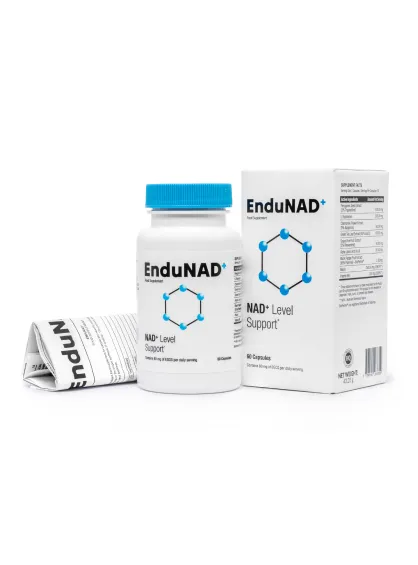
EnduNAD review
Ingredients, doses, what to realistically expect and who should skip it.
This page is general information, not medical advice. If you take medication, are pregnant or have ongoing symptoms, talk to your doctor first. These statements have not been evaluated by the Food and Drug Administration. This product is not intended to diagnose, treat, cure, or prevent any disease.