EGCG benefits: what green tea's key compound can and can't do
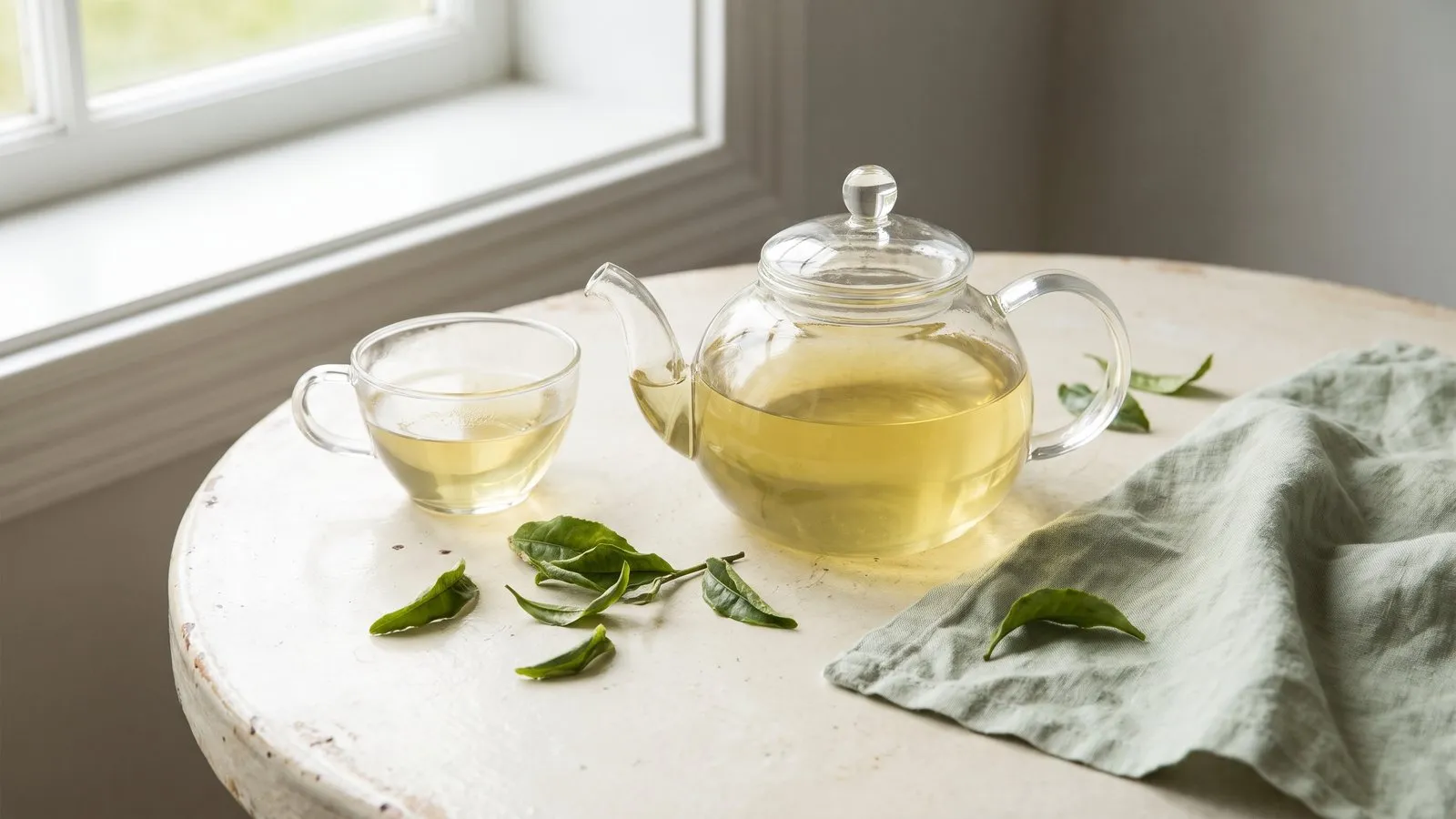
EGCG (epigallocatechin gallate) is the compound most associated with green tea’s health reputation. It turns up in fat burners, longevity blends and NAD+ formulas. Some of the claims are grounded in research; many are not. Here is an honest overview of EGCG benefits, plus the dose question that matters most.
What EGCG is
EGCG is a catechin, a type of polyphenol found mainly in green tea. It makes up a large share of green tea’s catechins and contributes to its slightly bitter taste. Black tea has less, because fermentation converts catechins into other compounds. Supplements use concentrated green tea extract, often standardized to a percentage of EGCG.
EGCG benefits: what the evidence shows
| Claim | Human evidence | Verdict |
|---|---|---|
| Lowers LDL cholesterol | Several trials, small effects | Modest |
| Supports weight management | Small effects, mostly with caffeine | Modest |
| Antioxidant activity | Strong in lab, unclear in people | Uncertain |
| Blood sugar control | Mixed results | Uncertain |
| Brain health, anti-aging, cancer prevention | Mostly lab and animal data | Unproven |
| Raises NAD+ or improves mitochondria | Lab and animal data | Unproven |
Cholesterol. Studies with green tea and its catechins have found small reductions in LDL cholesterol. Helpful as part of a bigger picture, not a replacement for treatment.
Weight. Green tea catechins, especially combined with caffeine, can slightly increase energy expenditure and fat burning. In trials, the effect on actual weight loss is small.
Cells and aging. In the lab, EGCG acts as an antioxidant and influences many cell-signaling pathways, including some linked to mitochondria. Whether that translates into benefits in people at supplement doses is not established.
Safety: the 800 mg threshold
This is the most important part. After reports of liver damage linked to green tea supplements, the European Food Safety Authority (EFSA) reviewed the evidence in 2018. Its conclusion:
- Brewed green tea is generally safe, even for heavy drinkers.
- Supplements providing 800 mg EGCG or more per day caused a significant increase in liver enzymes in clinical trials.
- Below 800 mg, no liver injury was seen, but EFSA could not set a guaranteed safe level.
Rare cases of serious liver injury have been linked to concentrated green tea extracts, especially when taken on an empty stomach or in weight-loss products. Practical rules:
- Check the label for EGCG per daily serving, not just “green tea extract”.
- Stay well below 800 mg a day from all supplements combined.
- Take it with food.
- Stop and see a doctor if you notice dark urine, yellowing skin or eyes, or abdominal pain.
- Avoid concentrated extracts if you have liver disease.
How to calculate EGCG from a label
Many labels give extract weight plus a percentage. Multiply them:
- 150 mg extract × 40% EGCG = 60 mg EGCG
- 500 mg extract × 50% EGCG = 250 mg EGCG
For comparison, a typical cup of green tea provides roughly a few dozen to around 100 mg, and regular European green tea drinkers get 90 to 300 mg a day.
EGCG in NAD+ formulas
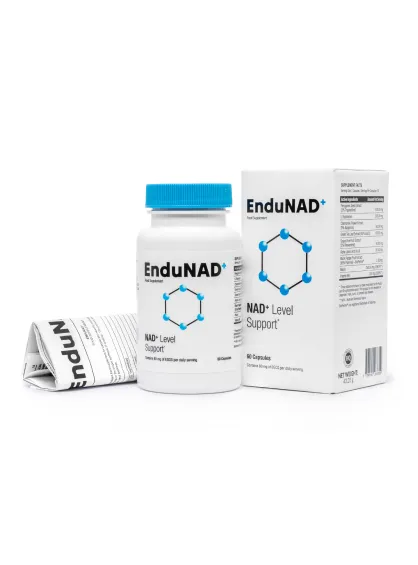
Some NAD+ blends include green tea extract for its effects on cell metabolism. EnduNAD, for example, contains 150 mg green tea extract at 40% EGCG, which is about 60 mg EGCG per day: roughly one cup of green tea and far below the 800 mg level linked to liver concerns. Its NAD+ support comes mainly from its 250 mg niacinamide. For how niacinamide feeds NAD+, see what NAD+ is.
Green tea or a supplement?
For most people, brewed green tea is the better choice:
- Safety: EFSA found brewed green tea generally safe, even at high intakes, while the liver concerns are tied to concentrated supplements.
- Package deal: tea also provides other catechins, L-theanine and fluid, and replaces sugary drinks.
- Cost: a box of tea costs a fraction of most extracts.
A supplement only makes sense if you dislike tea, want a precise dose, or take a multi-ingredient formula where green tea extract is one of several components. In that case, check the EGCG milligrams and take it with a meal.
Who should avoid green tea extract
Skip concentrated green tea extract, or ask your doctor first, if you have liver disease, are pregnant or breastfeeding, take blood thinners such as warfarin, or take medications processed by the liver. Green tea extract can also contain caffeine, which matters if you are sensitive to it or have heart rhythm problems.
The bottom line
EGCG is a real, well-studied compound with modest proven effects and plenty of unproven ones. Enjoy green tea freely; treat concentrated extracts with respect, and keep your daily EGCG well under 800 mg. For other NAD+ formula ingredients, see our guides to trigonelline and L-tryptophan.
Frequently asked questions
What is EGCG?
EGCG (epigallocatechin gallate) is the most abundant catechin in green tea, a type of plant polyphenol. It is responsible for much of green tea's bitterness and is studied for its antioxidant and metabolic effects.
What are the proven benefits of EGCG?
Few benefits are firmly proven in humans. Studies suggest small effects on LDL cholesterol and modest support for weight management, mostly when combined with caffeine. Many other claims, including cancer prevention and brain health, are based mainly on lab and animal research.
How much EGCG is safe per day?
The European Food Safety Authority found that 800 mg EGCG or more per day from supplements can raise liver enzymes, a sign of liver stress. No safe threshold below that was firmly established, but no liver injury was seen below 800 mg. Brewed green tea is generally considered safe.
How much EGCG is in a cup of green tea?
It varies with the tea and how it's brewed, but typical green tea drinkers in Europe get 90 to 300 mg EGCG a day from tea. A single cup provides roughly a few dozen to around 100 mg.
Should you take EGCG on an empty stomach?
No. Taking concentrated green tea extract on an empty stomach increases how much EGCG enters the blood and has been linked to a higher risk of liver problems. Take EGCG supplements with food.
Sources
Read next
Best NAD supplement in 2026: honest picks by goal (and the label problem most lists ignore)
The best NAD supplement depends on your goal and budget. Honest picks for NR, combination and niacinamide formulas, plus why most NAD+ labels fail lab tests.

L-tryptophan benefits: sleep, mood and NAD+, plus the safety history you should know
L-tryptophan benefits for sleep, mood and NAD+ production, what the evidence shows, food sources, doses, the 1989 EMS outbreak and drug interactions.

Menopause fatigue: why you're so tired, and what actually helps
Menopause fatigue is common, but it isn't always hormones. The main causes, which tests to ask your doctor for, and what helps, including where supplements fit.
EnduNAD review
Ingredients, doses, what to realistically expect and who should skip it.
This page is general information, not medical advice. If you take medication, are pregnant or have ongoing symptoms, talk to your doctor first. These statements have not been evaluated by the Food and Drug Administration. This product is not intended to diagnose, treat, cure, or prevent any disease.