Trigonelline: the coffee compound studied as a new NAD+ precursor

Trigonelline was, until recently, mostly known to coffee chemists as one of the compounds behind coffee’s bitterness and aroma. That changed in 2024, when researchers showed it can feed the body’s NAD+ supply. Since then, trigonelline supplements have appeared, and it shows up on the labels of NAD+ formulas. Here is what it is and what the evidence supports.
What trigonelline is
Chemically, trigonelline is niacin with a methyl group attached. Plants make it from niacin, and it is the reason fenugreek (Trigonella foenum-graecum) gave it its name. Main sources:
- Coffee: green coffee beans contain roughly 1 to 3% trigonelline by weight. Roasting converts part of it into niacin, so darker roasts have less trigonelline and more niacin.
- Fenugreek seeds: the other major source, used in many supplements.
- Smaller amounts in garden peas, oats and hemp seeds.
The NAD+ discovery
In a 2024 study in Nature Metabolism, an international research team reported that:
- Trigonelline is taken up by cells and converted into NAD+ through a niacin-related pathway.
- In worms, it raised NAD+ and extended lifespan; in aging mice, it improved muscle strength and reduced fatigue.
- In humans, people with sarcopenia (age-related muscle loss) had lower trigonelline levels in their blood, and higher levels were linked to better muscle strength and mitochondrial function.
That last point is an association, not proof that taking trigonelline helps. No published controlled human trial has yet shown that trigonelline supplements raise NAD+ or improve muscle function in people.
Other research on trigonelline
Lab and animal studies have looked at trigonelline’s effects on blood sugar regulation, fat metabolism and nerve protection. A recent review summarized these findings as promising but mostly preclinical. Treat claims about diabetes, weight loss or brain protection as early-stage research.
Does trigonelline cause a niacin flush?
No. Although it is made from niacin, trigonelline does not activate the GPR109A receptor that causes the niacin flush. That is one reason it interests researchers. Read more about the flush in our niacin flush guide.
Dose and safety
There is no established dose for trigonelline. Standalone supplements on the US market typically provide about 250 mg per capsule. Coffee drinkers already take in tens of milligrams per cup. As a food component, trigonelline has a long history of safe consumption; safety data on high-dose supplements is limited. If you are pregnant, take diabetes medication or have a medical condition, talk to your doctor first, since fenugreek itself can lower blood sugar.
Trigonelline in NAD+ formulas: check the dose
Many NAD+ formulas list fenugreek extract “standardized to trigonelline”. The key is the math: the percentage tells you how much trigonelline you actually get.
| Product type | Listed amount | Actual trigonelline |
|---|---|---|
| Standalone trigonelline capsule | 250 mg trigonelline | 250 mg |
| Fenugreek extract, 2% trigonelline | 300 mg | About 6 mg |
| A cup of coffee | n/a | Tens of mg |
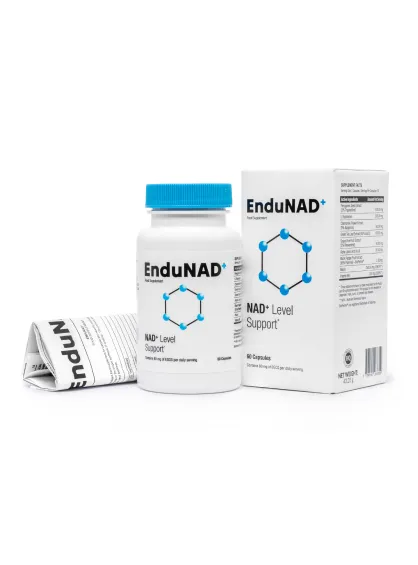
EnduNAD, which we review on this site, falls in the middle row: 300 mg fenugreek extract at 2% gives about 6 mg trigonelline. That is less than a cup of coffee, so in EnduNAD the NAD+ support comes mainly from its 250 mg niacinamide, not from trigonelline. We mention this because the sales page highlights the fenugreek.
How to get more trigonelline from food
If trigonelline interests you, food is the simplest route:
- Lighter roasts: because roasting breaks trigonelline down into niacin, light and medium roasts contain more than dark roasts.
- Fenugreek: the seeds are used in curries, spice blends and fenugreek tea. Fenugreek can lower blood sugar, so be careful if you take diabetes medication, and avoid medicinal amounts in pregnancy.
- Legumes and grains: garden peas, oats and some other legumes contain smaller amounts.
Who should be careful
Trigonelline itself appears safe at food levels, but fenugreek-based supplements are a different matter. Talk to your doctor first if you take diabetes medication or blood thinners, are pregnant, or are allergic to peanuts or chickpeas, since fenugreek belongs to the same plant family.
Trigonelline vs niacin vs niacinamide
All three are related to vitamin B3, but they behave differently. Niacin (nicotinic acid) flushes and affects cholesterol at high doses. Niacinamide doesn’t flush and is the main NAD+ precursor in supplements. Trigonelline is niacin with a methyl group, doesn’t flush either, and uses its own route into NAD+ that researchers are still mapping. See niacinamide vs niacin for the first two.
The bottom line
Trigonelline is a genuinely interesting new NAD+ precursor with strong animal data and a promising link to muscle health in humans, but no human supplement trials yet. If you drink coffee, you already get some. For the established precursors, compare NMN vs NR or read what NAD+ is.
Frequently asked questions
What is trigonelline?
Trigonelline is a natural compound formed when plants add a methyl group to niacin (vitamin B3). It is found mainly in coffee beans and fenugreek seeds, and in smaller amounts in peas, oats and other plants.
Is trigonelline an NAD+ precursor?
Yes, according to a 2024 study in Nature Metabolism. Researchers showed that trigonelline is converted into NAD+ in worms, mice and human cells, and that it improved muscle function in aging animals. Human trials of trigonelline supplements are still lacking.
How much trigonelline is in coffee?
Green coffee beans contain roughly 1 to 3% trigonelline by weight. Roasting breaks part of it down into niacin, so darker roasts contain less trigonelline but more niacin. A cup of coffee provides tens of milligrams.
Does trigonelline cause a niacin flush?
No. Trigonelline does not activate the receptor responsible for the niacin flush, so it does not cause flushing.
How much trigonelline is in EnduNAD?
EnduNAD contains 300 mg fenugreek seed extract standardized to 2% trigonelline, which is about 6 mg of trigonelline per daily serving. That is far below the 250 mg used in standalone trigonelline supplements, so its NAD+ contribution comes mainly from the niacinamide.
Sources
- Membrez et al. (2024). Trigonelline is an NAD+ precursor that improves muscle function during ageing and is reduced in human sarcopenia. Nature Metabolism.
- Review: pharmacological activities, therapeutic effects, and mechanistic actions of trigonelline. PMC.
- NIH Office of Dietary Supplements: Niacin fact sheet for health professionals
Read next

Best NAD supplement in 2026: honest picks by goal (and the label problem most lists ignore)
The best NAD supplement depends on your goal and budget. Honest picks for NR, combination and niacinamide formulas, plus why most NAD+ labels fail lab tests.

EGCG benefits: what green tea's key compound can and can't do
EGCG benefits explained: what green tea's main catechin does for metabolism, heart and cells, what the evidence shows, and the 800 mg liver safety threshold.

L-tryptophan benefits: sleep, mood and NAD+, plus the safety history you should know
L-tryptophan benefits for sleep, mood and NAD+ production, what the evidence shows, food sources, doses, the 1989 EMS outbreak and drug interactions.
EnduNAD review
Ingredients, doses, what to realistically expect and who should skip it.
This page is general information, not medical advice. If you take medication, are pregnant or have ongoing symptoms, talk to your doctor first. These statements have not been evaluated by the Food and Drug Administration. This product is not intended to diagnose, treat, cure, or prevent any disease.