NAD+ patches, nasal sprays and liposomal NAD: do they work?
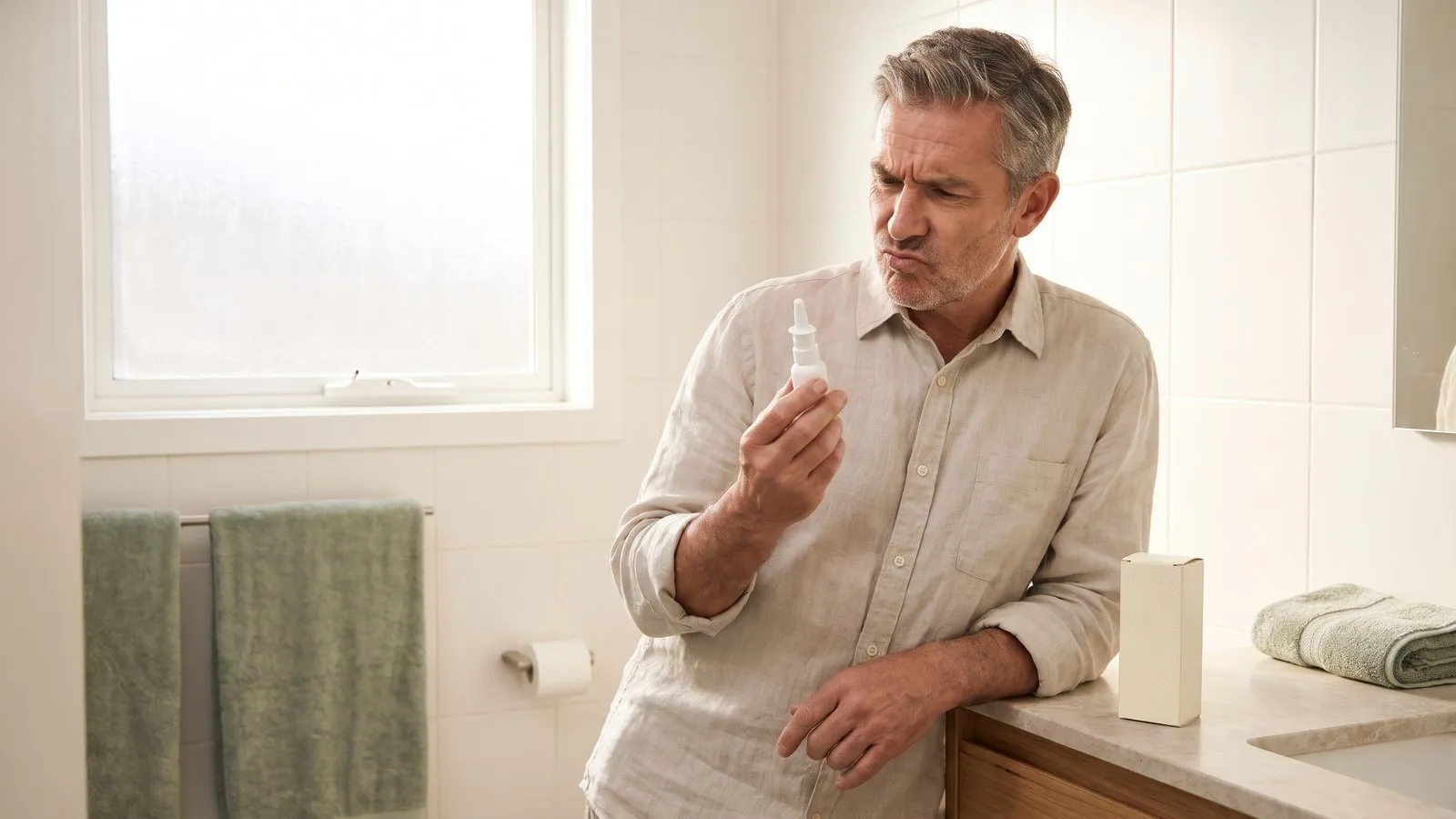
After IV drips and injections, a new wave of NAD+ formats has arrived: NAD patches you stick on your arm, nasal sprays from telehealth companies, and liposomal or sublingual NAD+. All of them sell the same idea: regular capsules get destroyed in the gut, this form doesn’t. Here is what the evidence actually supports for each.
The problem they’re trying to solve
NAD+ swallowed as a capsule is largely broken down in the digestive tract into smaller precursors. That is real. But it is only a problem if you take NAD+ itself. Oral precursors such as NR, NMN and niacinamide are designed to be absorbed and then converted into NAD+ inside your cells, and controlled human trials show they raise blood NAD+. For background, see what NAD+ is.
NAD+ patches
The claim: NAD+ passes through your skin into the bloodstream steadily over the day.
The reality: Skin is a strong barrier. Molecules that pass through it easily are typically small and fat-soluble, which is why nicotine and hormone patches work. NAD+ is the opposite: relatively large and highly water-soluble. That doesn’t make absorption impossible, but it makes it unlikely to be meaningful without special technology, and patch makers generally don’t publish blood-level data.
Verdict: No published human evidence that they raise NAD+. Low risk, apart from occasional skin irritation, but likely low return.
NAD+ nasal sprays
The claim: The nasal lining absorbs NAD+ quickly, and some products claim direct access to the brain.
The reality: Nasal delivery does work for some drugs. For NAD+, there are no published controlled human studies on absorption or effects. Most sprays are compounded products prescribed online. Common complaints include nasal irritation, burning and headache.
Verdict: Plausible in theory, unproven in practice. You pay for convenience and marketing, not evidence.
Liposomal and sublingual NAD+
The claim: Liposomes (tiny fat bubbles) or absorption under the tongue protect NAD+ from digestion.
The reality: Liposomal delivery has evidence for some nutrients, but no published human trials show liposomal NAD+ raises NAD+ more than plain precursors. Sublingual NAD+ has the same gap.
Verdict: Unproven, usually more expensive.
How the formats compare
| Format | Human evidence on raising NAD+ | Typical cost | Main downsides |
|---|---|---|---|
| Oral NR or NMN | Several controlled trials | Moderate to high | Cost; long-term data limited |
| Oral niacinamide | Raises NAD+; less studied as a “booster” | Low | High doses carry caveats |
| Oral NAD+ | Very little | Varies | Broken down in the gut |
| Liposomal / sublingual NAD+ | None published | High | Unproven |
| NAD+ patches | None published | Moderate to high | Unproven, skin irritation |
| NAD+ nasal spray | None published | High | Unproven, nasal irritation |
| IV / injections | Very little | Very high | Side effects, not FDA approved |
We cover IV drips and injections separately in NAD pills vs injections.
Questions to ask before buying any NAD+ format
- Is there human data for this exact format, not just for NAD+ in general?
- How much NAD+ or precursor is in it, per day, in milligrams?
- Is it third-party tested, with a certificate of analysis?
- What does a month cost compared with a well-studied oral precursor?
If a product can’t answer the first question, the premium price is buying a story, not a result.
Why these formats spread so fast
If the evidence is thin, why are NAD+ patches and sprays everywhere? A few reasons:
- They feel more “medical” than capsules, which makes a premium price easier to accept.
- Telehealth subscriptions make it easy to sell compounded sprays and injections directly to consumers.
- “Bypasses digestion” sounds logical, and it is true that oral NAD+ itself is poorly absorbed. The leap is assuming that the alternative format solves the problem, without data to show it.
- Influencer marketing rewards novelty, not evidence.
None of this means these formats can’t work. It means the burden of proof is on the seller, and so far that proof hasn’t been published.
What real proof would look like
A credible absorption study for any NAD+ format would measure NAD+ and its breakdown products in blood before and after use, compare the format against a placebo and against a standard oral precursor, and be published so others can check it. Until a brand can point to that, treat absorption claims as marketing.
The bottom line
NAD patches, sprays and liposomal NAD+ are newer and more exciting than capsules, but excitement isn’t evidence. Until their makers publish human absorption data, oral precursors remain the most sensible choice. Compare those in NMN vs NR, or read our EnduNAD review for the niacinamide-based option.
Frequently asked questions
Do NAD+ patches work?
There is no published human evidence that NAD+ patches raise NAD+ levels in the body. NAD+ is a large, water-loving molecule, the type that normally passes through intact skin very poorly. Patch makers rarely publish data on how much NAD+ actually gets absorbed.
Does NAD+ nasal spray work?
Unknown. Nasal sprays can deliver some molecules into the bloodstream, but there are no published controlled human studies on NAD+ nasal sprays. Most products are prescribed by telehealth providers and prepared by compounding pharmacies.
Is liposomal NAD+ better absorbed?
Liposomes can protect some nutrients in the gut, but no published human trials show that liposomal NAD+ raises NAD+ more than regular precursors such as NR, NMN or niacinamide.
What is the best form of NAD+ supplement?
Based on current human evidence, oral precursors: nicotinamide riboside (NR) and NMN have the most data on raising NAD+, and niacinamide is the cheapest with the longest safety record. Patches, sprays and liposomal NAD+ have little or no published human data.
Are NAD+ patches safe?
They are likely low-risk for most people, mainly because so little is absorbed. Skin irritation at the patch site is the most common complaint. If you have sensitive skin, test a patch for a short period first.
Sources
- Vinten et al. (2025). NAD+ precursor supplementation in human ageing: clinical evidence and challenges. Nature Metabolism.
- Martens et al. (2018). Chronic nicotinamide riboside supplementation is well-tolerated and elevates NAD+ in healthy middle-aged and older adults. Nature Communications.
- Grant et al. (2019). Changes in the human plasma and urine NAD+ metabolome during a 6 hour intravenous infusion of NAD+. Frontiers in Aging Neuroscience.
- Cleveland Clinic: NAD+ supplements, benefits and risks
Read next
Best NAD supplement in 2026: honest picks by goal (and the label problem most lists ignore)
The best NAD supplement depends on your goal and budget. Honest picks for NR, combination and niacinamide formulas, plus why most NAD+ labels fail lab tests.

EGCG benefits: what green tea's key compound can and can't do
EGCG benefits explained: what green tea's main catechin does for metabolism, heart and cells, what the evidence shows, and the 800 mg liver safety threshold.

L-tryptophan benefits: sleep, mood and NAD+, plus the safety history you should know
L-tryptophan benefits for sleep, mood and NAD+ production, what the evidence shows, food sources, doses, the 1989 EMS outbreak and drug interactions.
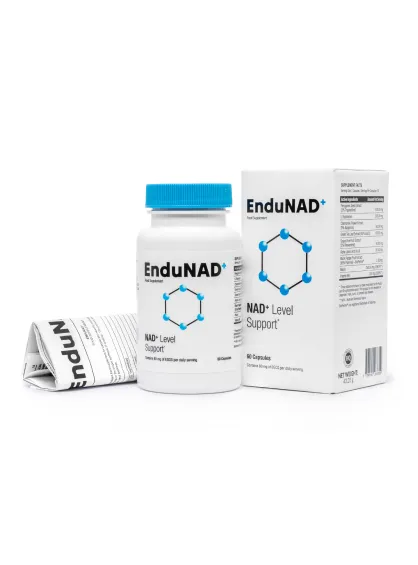
EnduNAD review
Ingredients, doses, what to realistically expect and who should skip it.
This page is general information, not medical advice. If you take medication, are pregnant or have ongoing symptoms, talk to your doctor first. These statements have not been evaluated by the Food and Drug Administration. This product is not intended to diagnose, treat, cure, or prevent any disease.