Niacin side effects: what happens at each dose, which organ is at risk, and who should avoid it

Niacin side effects range from a harmless red face to serious liver injury, and the difference is the dose. Vitamin B3 is essential, and you need about 14 to 16 mg a day. The problems start when supplements deliver many times that amount. Here is what happens at each level, which organs are affected, and who should be careful.
Niacin side effects by dose
| Daily amount | Where you get it | What to expect |
|---|---|---|
| 14 to 16 mg | Food, multivitamin | Nothing: this is what your body needs |
| 35 mg | US upper limit for supplements | Set to prevent flushing |
| 30 to 100 mg | B-complex, “energy” supplements | Flushing likely with nicotinic acid |
| 250 to 500 mg | Single niacin supplements | Flushing, stomach upset, itching |
| 1,000 to 3,000 mg | Former cholesterol treatment | Liver, blood sugar, gout and eye risks |
| 2,000 to 6,000 mg | Very high doses | Serious side effects likely, according to Mayo Clinic |
These figures apply to niacin as nicotinic acid. Niacinamide, the other form of B3, behaves differently; more on that below.
Common side effects
- Flushing: warm, red, itchy or tingling skin on the face, neck and chest. The most common side effect by far. Read our full niacin flush guide.
- Stomach problems: nausea, heartburn, indigestion, diarrhea and abdominal pain, especially on an empty stomach.
- Dizziness: niacin widens blood vessels and can lower blood pressure, so you may feel lightheaded when standing up.
- Itching and dry skin, especially with long-term use.
What organ does niacin affect?
The liver is the organ most at risk. Your liver processes niacin, and high doses can overload it:
- Liver enzymes can rise, a sign of stress on the liver.
- In rare cases, high-dose niacin causes hepatitis or liver failure.
- Extended-release (sustained-release) niacin carries the highest liver risk. It flushes less, which is why people sometimes take more of it, but it is harder on the liver.
High-dose niacin can affect other parts of the body too:
- Blood sugar: it can raise glucose and reduce insulin sensitivity, a concern for people with diabetes or prediabetes.
- Uric acid: it raises uric acid levels and can trigger gout flares.
- Eyes: rarely, high doses cause blurred vision due to fluid in the retina, which usually resolves after stopping.
- Muscles: combined with statins, high-dose niacin raises the risk of muscle damage.
- Stomach: it can worsen active stomach ulcers.
What happens if you take niacin every day?
It depends on how much:
- The amount in food or a multivitamin (around 15 to 20 mg): your body uses it to make NAD+, the coenzyme every cell needs for energy. Daily intake at this level is necessary, not risky.
- Moderate supplements above 35 mg: daily flushing is likely with nicotinic acid, although many people adapt within one to two weeks.
- Daily gram doses: this is where liver, blood sugar and gout problems develop, often gradually. That is why doctors who prescribe high-dose niacin check liver function and blood sugar regularly.
There is also an open question about long-term excess. A 2024 study in Nature Medicine found that 4PY, a breakdown product of excess niacin, was linked to a higher risk of heart attack and stroke in large patient groups, and promoted blood vessel inflammation in mice. This is an association, not proof that niacin supplements cause heart disease, and the researchers called for larger studies. It does fit with earlier trials such as HPS2-THRIVE, where adding high-dose niacin to statins did not prevent heart attacks and caused more serious side effects.
Niacin vs niacinamide: different side effects
Niacinamide (nicotinamide) is the form of B3 used in most NAD+ supplements. It does not cause flushing and does not affect cholesterol, blood vessels or blood pressure the way nicotinic acid does. It is generally well tolerated at moderate doses, such as 500 mg twice a day in studies.
Two caveats: very high doses of niacinamide, in the gram range, can also strain the liver. And both forms break down into the same end products, including 4PY, when you take more than your body needs. More detail in niacinamide vs niacin.
Who should not take niacin
Avoid high-dose niacin, or talk to your doctor first, if you:
- have liver disease or raised liver enzymes
- have an active stomach ulcer
- have gout or high uric acid
- have diabetes or prediabetes
- have low blood pressure or take blood pressure medication
- take statins or blood thinners
- drink alcohol heavily
- are pregnant or breastfeeding (high doses)
How to reduce niacin side effects
- Stay at or near the amount you need unless a doctor prescribes more.
- Take niacin with food, never on an empty stomach.
- Avoid alcohol and hot drinks around your dose to reduce flushing.
- Don’t switch between immediate-release and extended-release forms without medical advice.
- Choose niacinamide if you want B3 for NAD+ support without flushing.
- Stop and see a doctor if you notice dark urine, yellowing skin, persistent nausea, muscle pain or blurred vision.
The bottom line
Niacin is safe and essential at the amounts your body needs. Side effects scale with dose: flushing above about 30 mg, liver, blood sugar and gout problems in the gram range. For the benefits side of the story, read niacin benefits, and for NAD+ supplements in general, NAD supplement side effects.
Frequently asked questions
What are the most common side effects of niacin?
Flushing is by far the most common: warm, red, itchy or tingling skin, mostly on the face and chest. Stomach upset, nausea, heartburn and dizziness are also common, especially at higher doses or on an empty stomach.
What organ does niacin affect?
The liver is the organ most at risk. High doses of niacin, especially extended-release forms, can raise liver enzymes and in rare cases cause serious liver injury. High-dose niacin can also affect blood sugar, uric acid (gout), the eyes and, in combination with statins, the muscles.
Is it safe to take niacin every day?
Getting your daily niacin from food or a multivitamin is safe and necessary. Taking high-dose niacin supplements every day is a different matter: above the 35 mg upper limit you may flush, and gram doses can harm the liver. Daily high doses should only be taken under medical supervision.
Who should not take niacin?
People with liver disease, active stomach ulcers, gout, uncontrolled diabetes or serious bleeding should avoid high-dose niacin. Talk to your doctor first if you take statins, blood pressure medication, blood thinners or diabetes medication, or if you are pregnant.
Does niacinamide have the same side effects as niacin?
No. Niacinamide does not cause flushing and does not affect cholesterol. It is generally well tolerated at moderate doses, but very high doses in the gram range can also affect the liver, and both forms produce the same breakdown products when taken in excess.
Sources
- NIH Office of Dietary Supplements: Niacin fact sheet for health professionals
- Mayo Clinic: Niacin
- Ferrell et al. (2024). A terminal metabolite of niacin promotes vascular inflammation and contributes to cardiovascular disease risk. Nature Medicine.
- HPS2-THRIVE Collaborative Group (2014). Effects of extended-release niacin with laropiprant in high-risk patients. NEJM.
- Hwang and Song (2020). Possible adverse effects of high-dose nicotinamide: mechanisms and safety assessment. Biomolecules.
Read next

Niacin benefits: what vitamin B3 really does for you (and what it doesn't)
Niacin benefits graded by evidence: energy metabolism, nerves, skin, cholesterol and NAD+. Food sources, how much you need, and when a supplement makes sense.

Best NAD supplement in 2026: honest picks by goal (and the label problem most lists ignore)
The best NAD supplement depends on your goal and budget. Honest picks for NR, combination and niacinamide formulas, plus why most NAD+ labels fail lab tests.

EGCG benefits: what green tea's key compound can and can't do
EGCG benefits explained: what green tea's main catechin does for metabolism, heart and cells, what the evidence shows, and the 800 mg liver safety threshold.
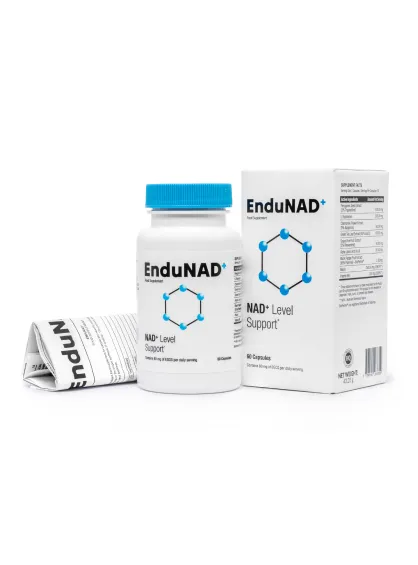
EnduNAD review
Ingredients, doses, what to realistically expect and who should skip it.
This page is general information, not medical advice. If you take medication, are pregnant or have ongoing symptoms, talk to your doctor first. These statements have not been evaluated by the Food and Drug Administration. This product is not intended to diagnose, treat, cure, or prevent any disease.